Choosing the right learning environment during a child’s early years plays an important role in shaping their future. A nurturing and supportive setting helps young children build the skills and confidence they need for lifelong success. Through faith-based education, families can provide their children with a strong foundation that supports academic success, spiritual growth, and meaningful character development. In a Christian daycare, children experience a unique blend of early learning, compassion, and guidance rooted in Christian values.
Nurturing Young Minds Through Faith
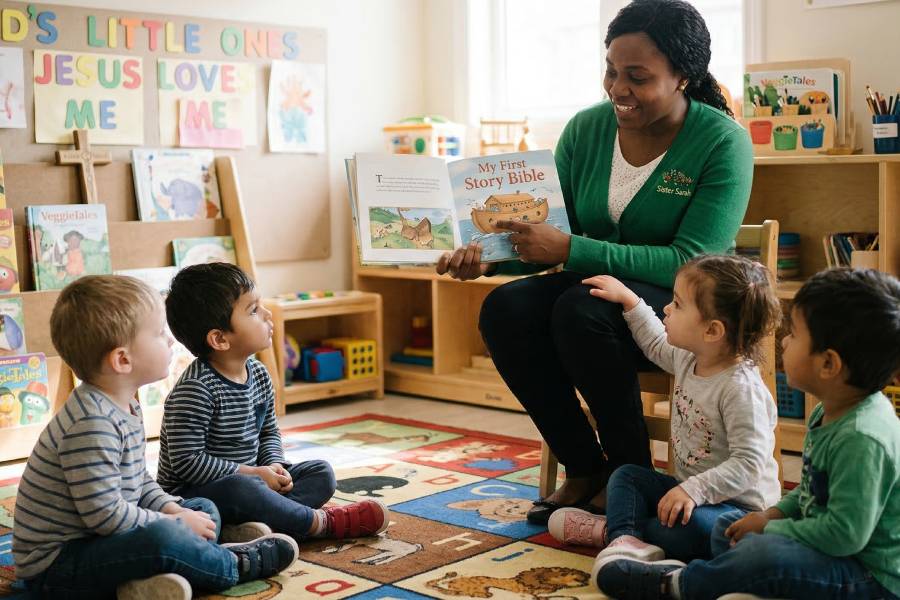
The early years are a critical time for a child’s development, and a nurturing environment can make a lasting impact on young minds. Faith-based learning introduces children to Bible stories, the teachings of Jesus, and the message of God’s love in age-appropriate, engaging ways. These experiences encourage curiosity while helping children understand kindness, respect, and empathy.
In a supportive environment, teaching children about God’s creation helps them see themselves as valued individuals. This builds a sense of belonging and strengthens their emotional well-being. As children interact with peers and educators, they also develop important social-emotional skills that help them form healthy relationships throughout their educational journey.
Character Development and Spiritual Growth
A key part of Christian education is guiding children toward strong character development and a lasting spiritual foundation. Through Christian teachings, young learners begin to understand the importance of honesty, compassion, and responsibility. These lessons help children develop a strong moral compass that can guide their decisions as they grow.
Educators in Christian daycare programs act as positive role models, demonstrating the values they teach. By observing and learning from caring adults, children strengthen their faith while gaining a deeper understanding of God’s love. This approach supports both spiritual development and the formation of a lasting sense of purpose.
A Holistic Approach to Early Learning
Successful early childhood education supports every aspect of a child’s growth. A holistic approach to childcare includes activities that promote cognitive development, creativity, and communication skills. Daycare programs in faith-based schools combine structured lessons with play-based exploration to help children build essential abilities.
Through engaging activities, young learners improve language development, practice problem-solving, and develop critical thinking skills. These abilities prepare children for the next stages of their education, whether they continue in a Christian school or another academic setting. Encouraging curiosity and creativity helps children feel confident as they progress along their educational journey.
Emotional Intelligence and Social Growth
Another important benefit of faith-based education is its focus on emotional intelligence and healthy relationships. In a positive learning environment, children learn how to express their feelings, understand others, and work cooperatively with peers. These experiences strengthen social-emotional skills and contribute to long-term emotional well-being.
Participating in group activities also helps build a strong sense of community. Children learn that they are part of something larger than themselves, which fosters empathy and respect. By reinforcing Christian values and encouraging kindness, educators help children grow into thoughtful and compassionate individuals.
Building a Strong Foundation for the Future
Investing in Angelic Treasures Christian Daycare during the early years helps establish a lifelong spiritual foundation and love for learning. With guidance rooted in Christian education, children develop important academic abilities while strengthening their faith.
A supportive learning environment that emphasizes God, Jesus, and the lessons found in bible stories prepares children for both academic success and meaningful spiritual growth. By nurturing young minds with care, compassion, and purpose, faith-based learning helps children grow into confident individuals who are ready to continue their educational journey with strong values and a clear sense of purpose.